Caring for Nature in Thornbury

This page shares the work that Thornbury Town Council is doing to support wildlife and nature on its sites.

Encouraging Wildlife and Biodiversity

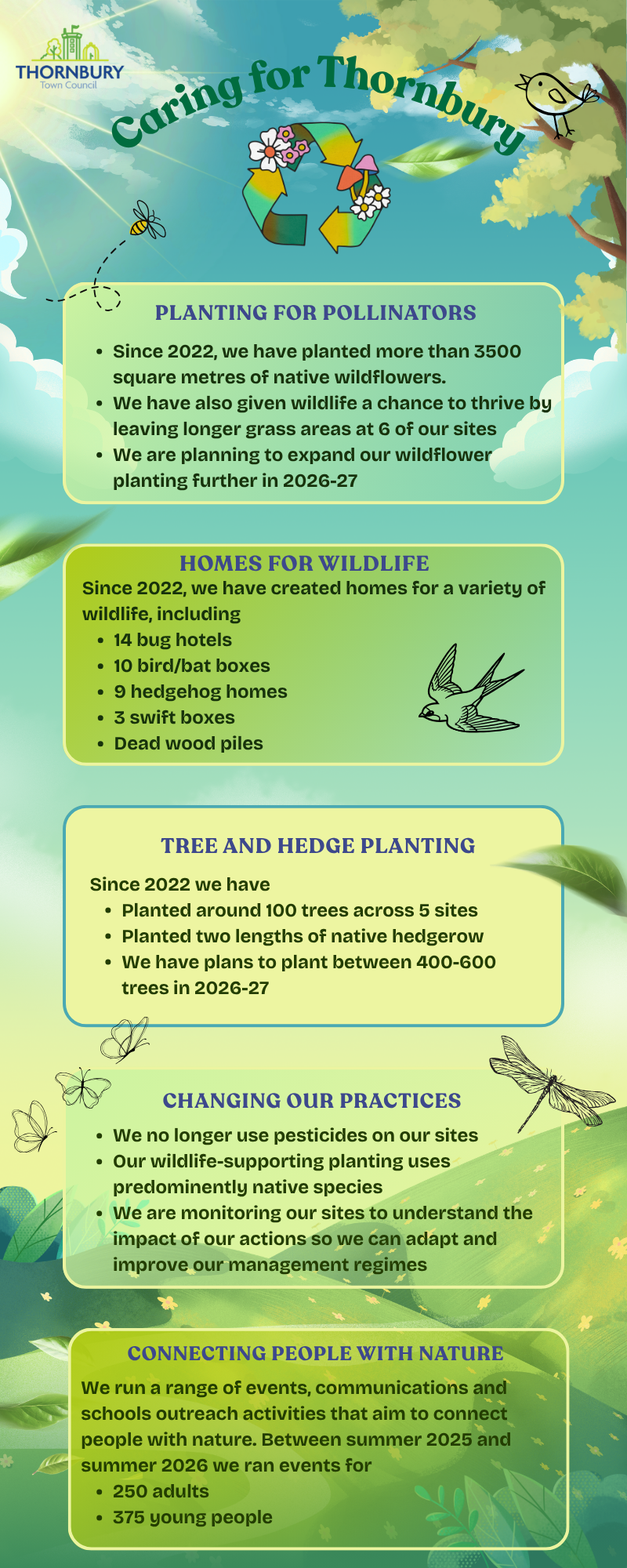
Thornbury Town Council is working hard across its outdoor spaces to balance the needs of people and nature. Since 2022, we have encouraged wildlife onto our sites by:

  • Planting wildflowers and allowing some areas to grow longer grasses
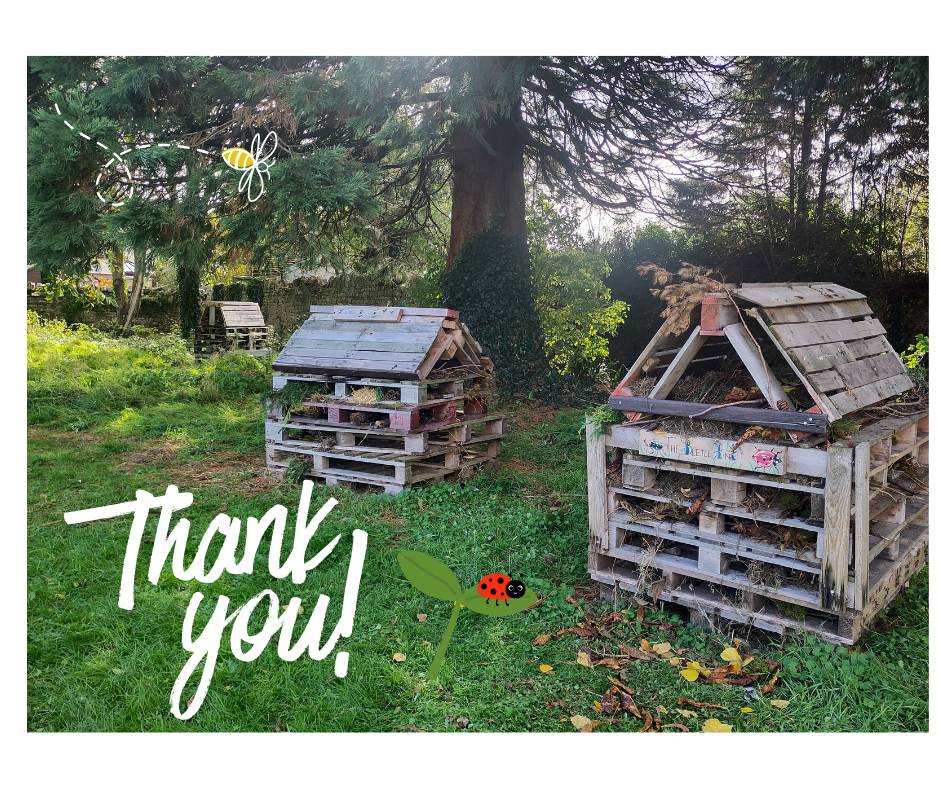
  • Installing wildlife homes, including hedgehog houses, bird boxes, and bug hotels
  • Planting trees and hedges
  • Stopping the use of pesticides
  • Embedding caring for nature into our grounds maintenance regimes


In 2026 we commissioned biodiversity audits of our sites, following up on baseline ecological surveys and enhancement plans completed in 2022. The key findings from the 2026 audits were:

  • An increase in the number of plant, insect and bird species recorded.
  • An improvement in the prevalence of habitats and species prioritised under the Natural Environment and Rural Communities (NERC) Act 2006 (which places a duty to conserve biodiversity on public authorities in England).
  • Increasing or new recordings of species that are ‘red-listed’ (i.e., are of the greatest conservation concern).
  • Recording of species that are locally rare.
  • Presence of habitats that are of high nature conservation value in a local or South Gloucestershire context.

More details and the full reports can be found below.
Current Projects

Post image header
Memorial Woodland and Wellbeing Garden

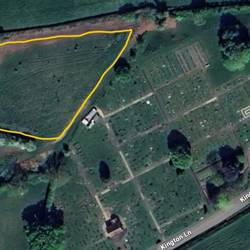
A field adjacent to the existing cemetery was purchased by Thornbury Town Council, originally with a view to extending the existing burial ground. How...

Post image header
Rainwater Harvesting in Thornbury

After our record hot summer in 2026, Thornbury Town Council is working with Thornbury in Bloom and local partners to find opportunities for rainwater...

Wildlife at the Mundy Playing Fields

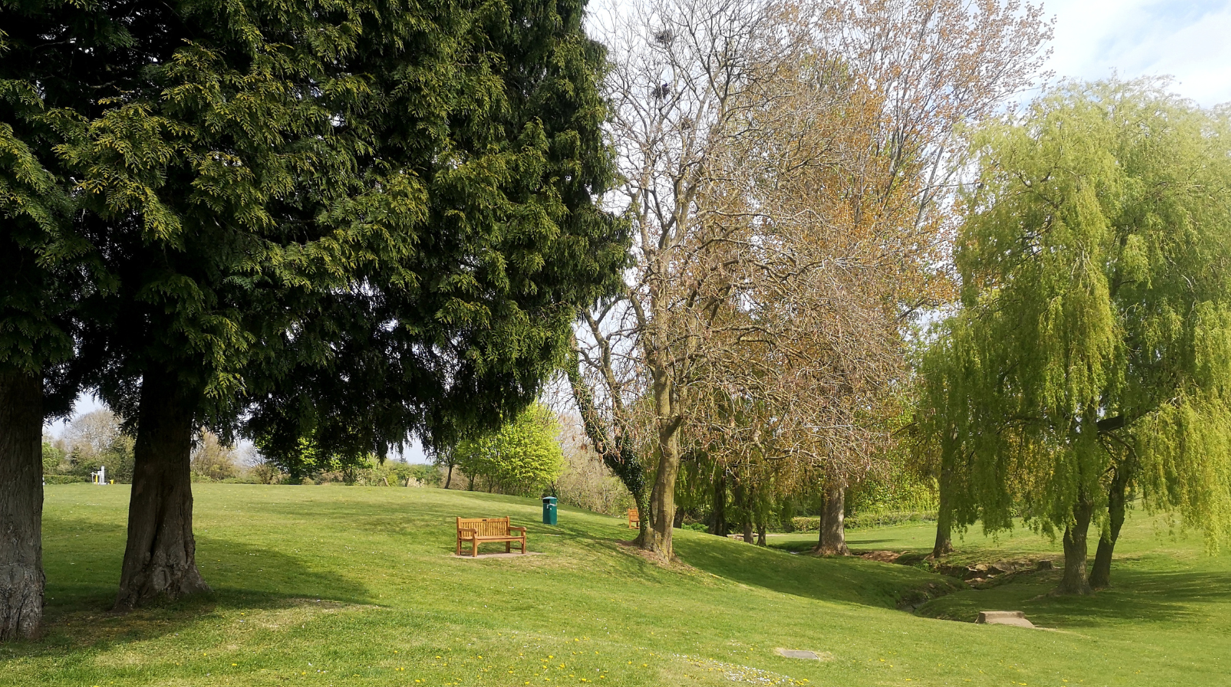
Following a baseline ecological survey that was carried out at the Mundy Playing Fields in 2022, we have taken several steps to encourage biodiversity and enhance the park for people and wildlife. 

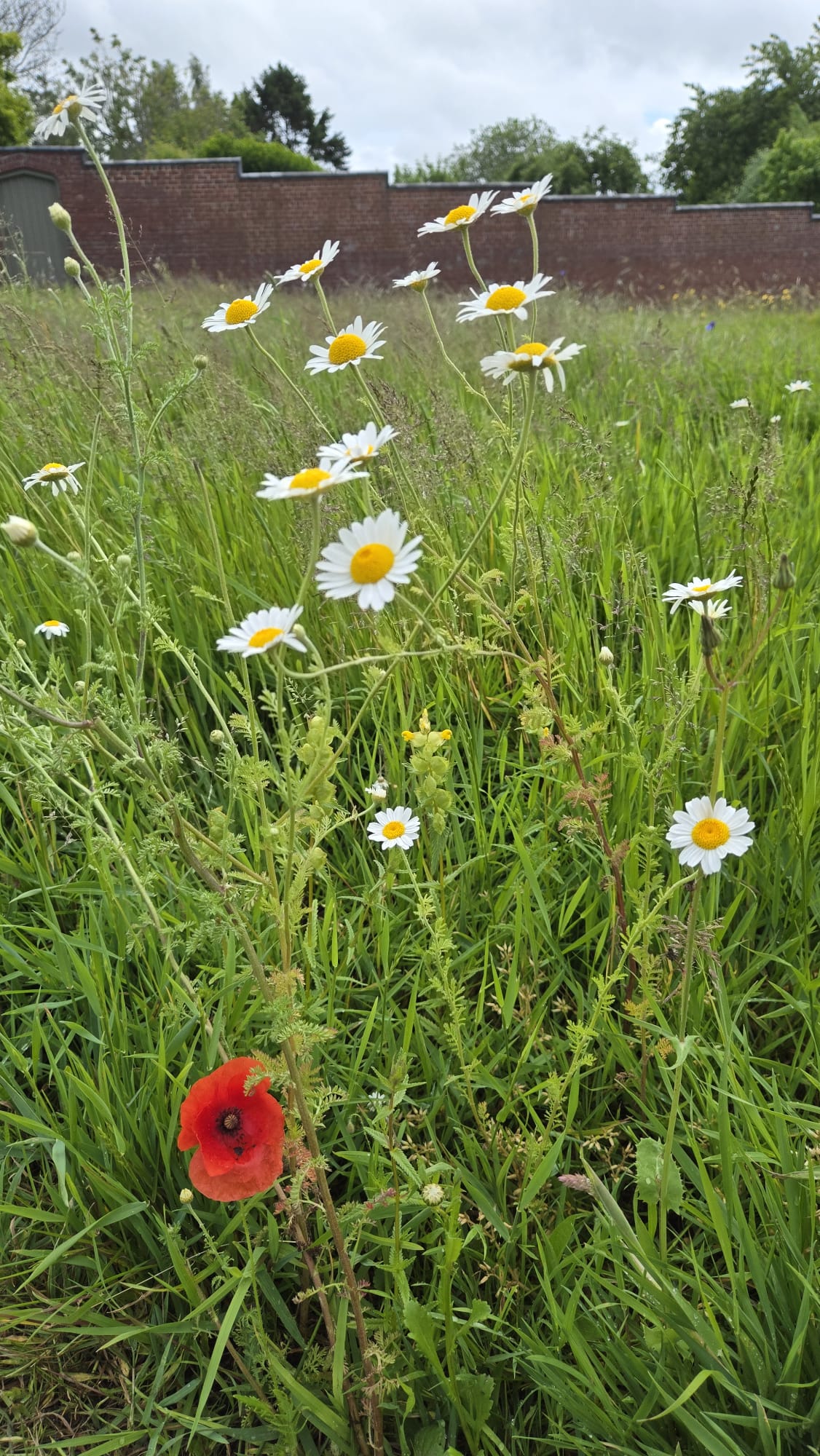
We have three main areas of wildflower planting; two in Poulterbrook Field and one at the top of the Mundy Playing Fields. We are managing these areas in line with traditional meadow management, by long cutting the area over the winter months and stopping cutting in the spring. At the end of the summer we cut the areas and take away the clippings to stop the soil becoming overly rich.

The seeds we have used area a native mix of perennials that, if managed carefully, should come back year after year. We have also planted yellow rattle, which helps to kick start new meadows by predating on thick grasses that can crowd out more delicate species.

We also leave several areas of longer grass at the Mundy's, notably on the slopes leading to the stream, where a rare type of clover has been spotted.

Finally, we have a line of native hedging which is taking nicely.

We regularly review our approach to management of the Mundy's to ensure it continues to serve the people of Thornbury, whilst also supporting nature.

A follow-up ecological survey was completed in the spring and early summer of 2026. 

The 2026 biodiversity audit showed that:

  • Several areas that have been managed differently since 2022 show a significant increase in plant diversity.
  • The banks between the stream and playground support lowland dry acidic grassland which is a priority habitat under the NERC Act. This area represents one of the most significant areas of acidic grassland in South Gloucestershire. Two species of clover are present in ‘exceptional quantities’.
  • There has been a ‘striking’ increase in the diversity of insect species recorded, including one species not previously recorded in South Gloucestershire.
  • There has been a 42% increase in the number of bird species recorded, including red-listed species such as swift and starling.
  • Overall, the site has seen a significant increase in biodiversity value since 2022.

The full 2022 and 2026 reports can be viewed below.


Wildlife at Thornbury Cemetery

Cemeteries, as areas of land that have often escaped the attention of modern, industrialised agriculture, can be havens for wildlife, and Thornbury Cemetery is no exception.

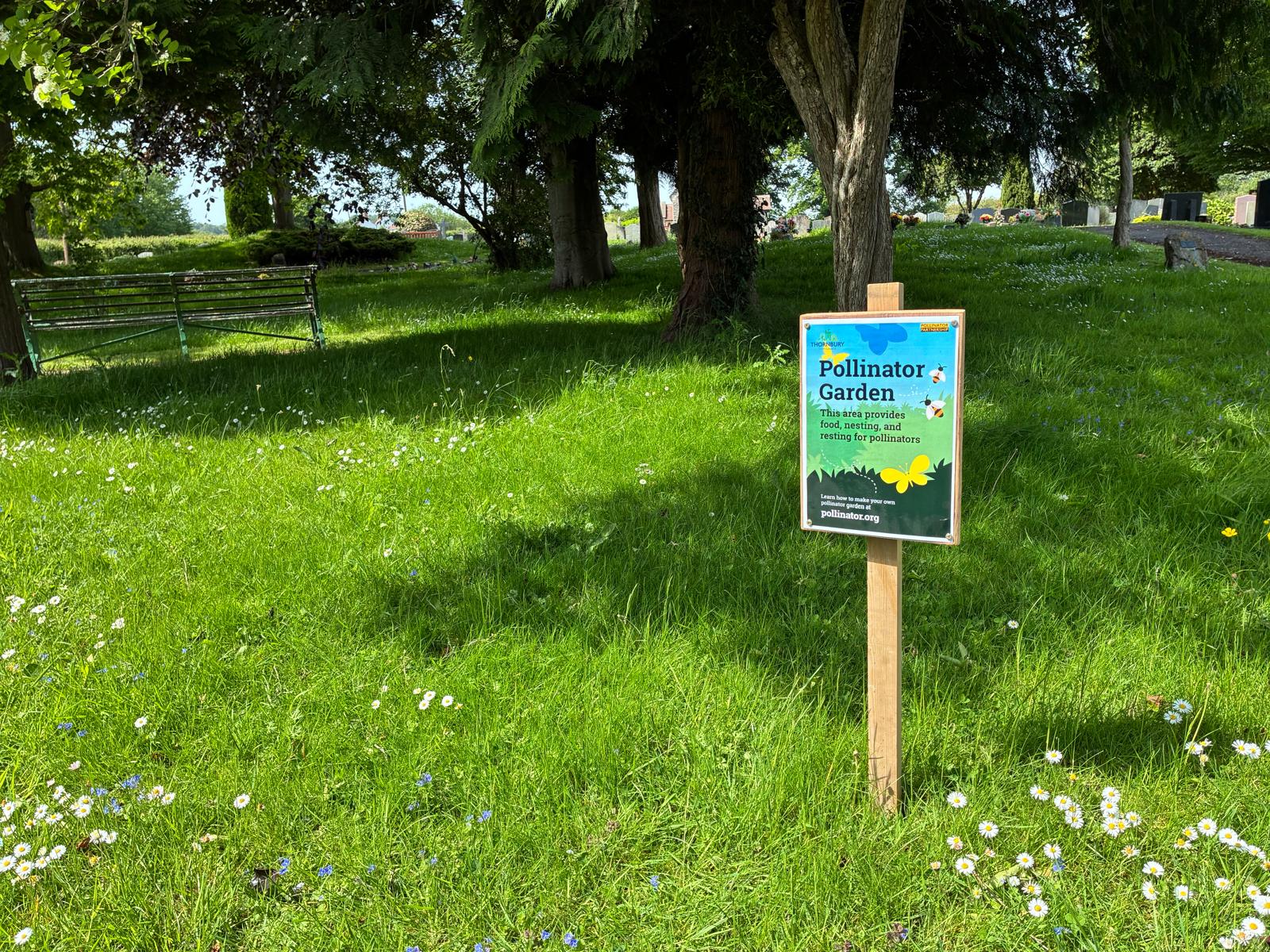
In the older area of the cemetery, to the rear and side of the chapel, we are adapting our management regime to allow the native wildflowers that are already there to thrive. This has allowed an abundance of birds foot trefoil, self-heal, cowslips, red clover and ox-eye daisy to flower. We still care carefully for the cemetery, the graves, and the human visitors who come to pay their respects here, but we are also seeking opportunities to give nature a helping hand in this beautiful spot.

Over the coming months, we will be installing homes for birds and bats, alongside the swift box already located on the Chapel. The Chapel also played host in 2026 to a brood of house martins, who successfully fledged their chicks.

Our new memorial woodland and wellbeing garden, which will be created adjacent to the existing cemetery, will also give more opportunities for people and nature to thrive (see the projects section above).

The 2026 Biodiversity Audit of the Cemetery found that:

Key points:

  • The Cemetery includes an area of moderately diverse unimproved grassland, which is identified as a priority habitat under the NERC Act. There was a 75% increase in the presence of key indicator species for this habitat type between 2022 and 2026.
  • The oldest part of the cemetery is of nature conservation value in a South Gloucestershire context and this value has risen significantly since 2022.
  • There were 3 red-listed plant species recorded on site in 2026.
  • The trees and shrubs across the cemetery are of nature conservation value in a South Gloucestershire context.
  • There are locally rare insects and lichens at the cemetery, including an acorn weevil that has not previously been recorded in South Gloucestershire.
  • The cemetery is of high interest for biodiversity. The changes of management made recently have increased the level of interest.

Wildlife at St Mary's Churchyard

St Mary's Churchyard is managed by volunteer group the Holy Mowers. The Mowers take care to balance the needs of people and wildlife, leaving some areas for wildflowers to thrive, whilst keeping others more closely mown.

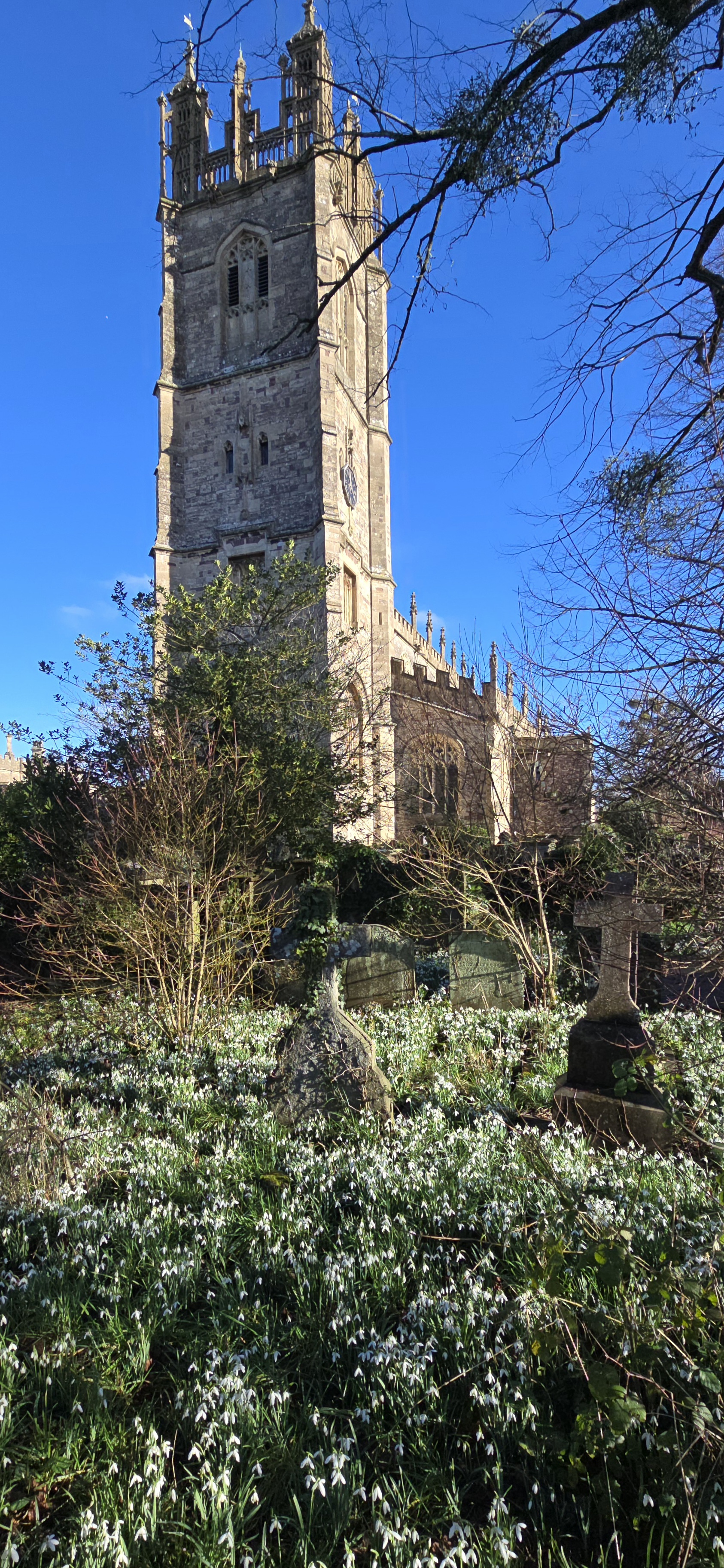
The churchyard is a haven for wildlife, buzzing with pollinators and full of spring and summer colour. The snowdrops are a particular treat, offering a splash of brightness in the darkest months.

Key Points from the 2026 Biodiversity Audit found that:

  • The churchyard is moderately species-rich. It has improved slightly since 2022 from an already good position, reflecting the success of its management regime over the last 4 years.
  • Several indicator species of unimproved grassland, which is a priority habitat under the NERC Act are present.
  • Two locally uncommon plant species were recorded, including the yellow-juiced poppy, which has only been recoded at one other site in South Gloucestershire in the last 20 years.
  • The range of insect species recorded is described as ‘impressive’.
  • One invertebrate species recorded has only been recorded at one other site in South Gloucestershire in the last century.
  • The churchyard is of conservation value in a South Gloucestershire context.


Wildlife on our other sites

Across our remaining sites, we are also seeking out opportunities to enhance wildlife habitats. For example, 

  • At Chantry Playing Field we have bug hotels, areas of scrub and ivy and wildflower planting to support wildlife. We are planting an additional area with wildflowers in the 2026-27 season.
  • At Oakleaze Green, we have areas of longer grasses and will be planting an area of wildflowers in the 2026-27 season.
  • At Thicket Walk, we planted a native hedgerow, trees and have a longer grass area. In the 2026-27 season we are planting a shady area with native wildflower bulbs.

We also work with our neighbours, fellow local authorities, and community groups such as Thornbury in Bloom, the Thornbury Litterbusters, and Thornbury Community Orchard, to enhance the environment across the town.

The 2026 Biodiversity Audit of these sites found that:

At Chantry Playing Field

  • Areas of the playing field are of nature conservation value in a local context.
  • Two hoverfly species that are scarce in South Gloucestershire were recorded on ivy on the southern edge of the site.
  • There has been some increase in the diversity of insects on the site, showing the ‘impact that even small measures can have on biodiversity’.
  • There is an increase in bird species diversity on the site, including red-listed dunnock, starlings and swifts.


At Oakleaze Green

  • In 2026, several plant species associated with unimproved grassland were recorded, which indicates a reduction in soil fertility. If soil fertility continues to decline, gains in floral diversity should accelerate.
  • The grasslands on site support a moderate diversity of invertebrates, including a hoverfly recorded at only 2 other sites in South Gloucestershire.
  • The grassland across the site is of nature conservation value in a local context.
  • The diversity of insects and plants has increased, with a significant increase in biodiversity overall.
  • Three bird species of conservation concern were recorded; starling, house sparrow and dunnock.


At Thicket Walk

  • There has been some increase in diversity since 2022, including tree planting, which benefit a range of associated species.


Conforms to WCAG 2.2 AA | Website design by Town and Parish Council Websites