Community Nature Reserve

Thornbury Town Council is excited to launch a Community Nature Reserve (CNR) in Thornbury, and we want YOU to be part of it!

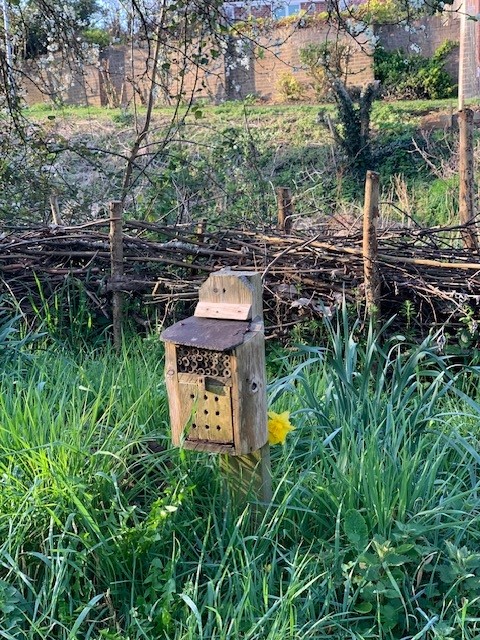
A Community Nature Reserve (CNR) is a local project where neighbours come together to support wildlife and improve green spaces. Instead of one person managing a nature reserve, each resident contributes a part of their garden or outdoor space to create connected habitats.

Whether you have a garden, an allotment, or even just a window box, you can take part by registering your space to help build a CNR in Thornbury. All you need to do is tell us what you’ve been doing to help nature thrive. From planting wildflowers to putting up a bird box, simple actions can have a BIG impact on nature right on your doorstep.

Joining also gives you the chance to share your tips and experiences to inspire others or learn new ways to make your space work harder for nature. You’re also encouraged to record wildlife sightings, including birds, insects, and mammals.

Help Build the Community Nature Reserve

Register your space to help build the Community Nature Reserve

Share your tips and experiences to inspire others.

Connect with like-minded people.

Learn new ways to enhance your space.

Your space can be a garden, allotment or even just a window box – all are welcome.

We now have a Facebook group!

Join the Facebook group to see news and updates, connect with other members and get more out of your community network.


How to register


Complete the online form or download and print the form (link below) and return it to us by email, post or in-person.

Visit us in Town Hall, High Street, Thornbury, Bristol, BS35 2AR (during office hours). Hard copies will also be available at the library and Thornbury Town Hall reception.

What to See and Do in the Wildlife-friendly Garden - March

March is a glorious month in the wildlife-friendly garden with the three ‘Bs’; birds, bugs and buds all actively gearing up for the summer to come. Birds will be looking for mates and nesting sites. Males are trying out their voices, joining the robin who has been singing all winter long, claiming their territory and showing off their suitability to raise chicks.

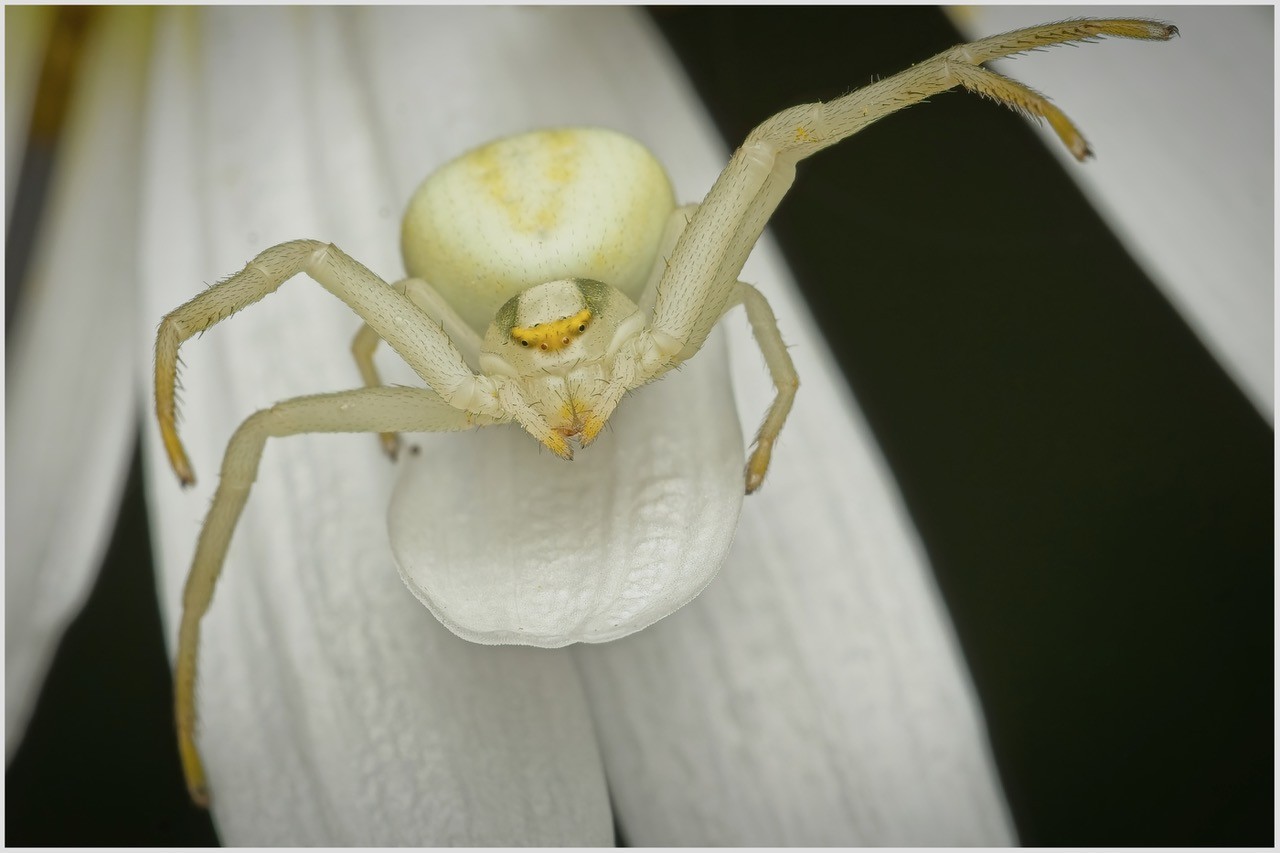
Bugs will start to emerge from winter hibernation and will be very hungry. Early flowering plants such as primroses, crocuses and daffodils can not only look gorgeous in your lawn but will provide vital nectar for early emerging pollinators. Dandelions are also a great source of nectar and can be deadheaded before they seed if you are concerned about them taking over your garden.

With the lengthening days, trees and shrubs will start to come back into life, with buds and leaves bursting forth. The planting season for trees and native hedges is over for the time being but hopefully planting efforts made in the coldest winter months can now start to (literally in some cases) bear fruit. Remember, now is not the time to cut your hedges or trees - with birds looking for nests, hedge cutting is prohibited between March and September.

March is a great time to think about what else you might grow in your garden to support wildlife throughout the year. Wildflower seeds, both perennials and annuals, can be planted into the warming soil. From a small pot to an entire lawn, planting wildflower seeds now is an investment in a summer garden buzzing with colour and life.

While March can still have a sting in the tail weather-wise, on those beautiful early spring days when the sun shines and the sky is blue, there is surely no better place to be than in the wildlife-friendly garden. Enjoy!

Community Nature Reserve Locations

Conforms to WCAG 2.2 AA | Website design by Town and Parish Council Websites